

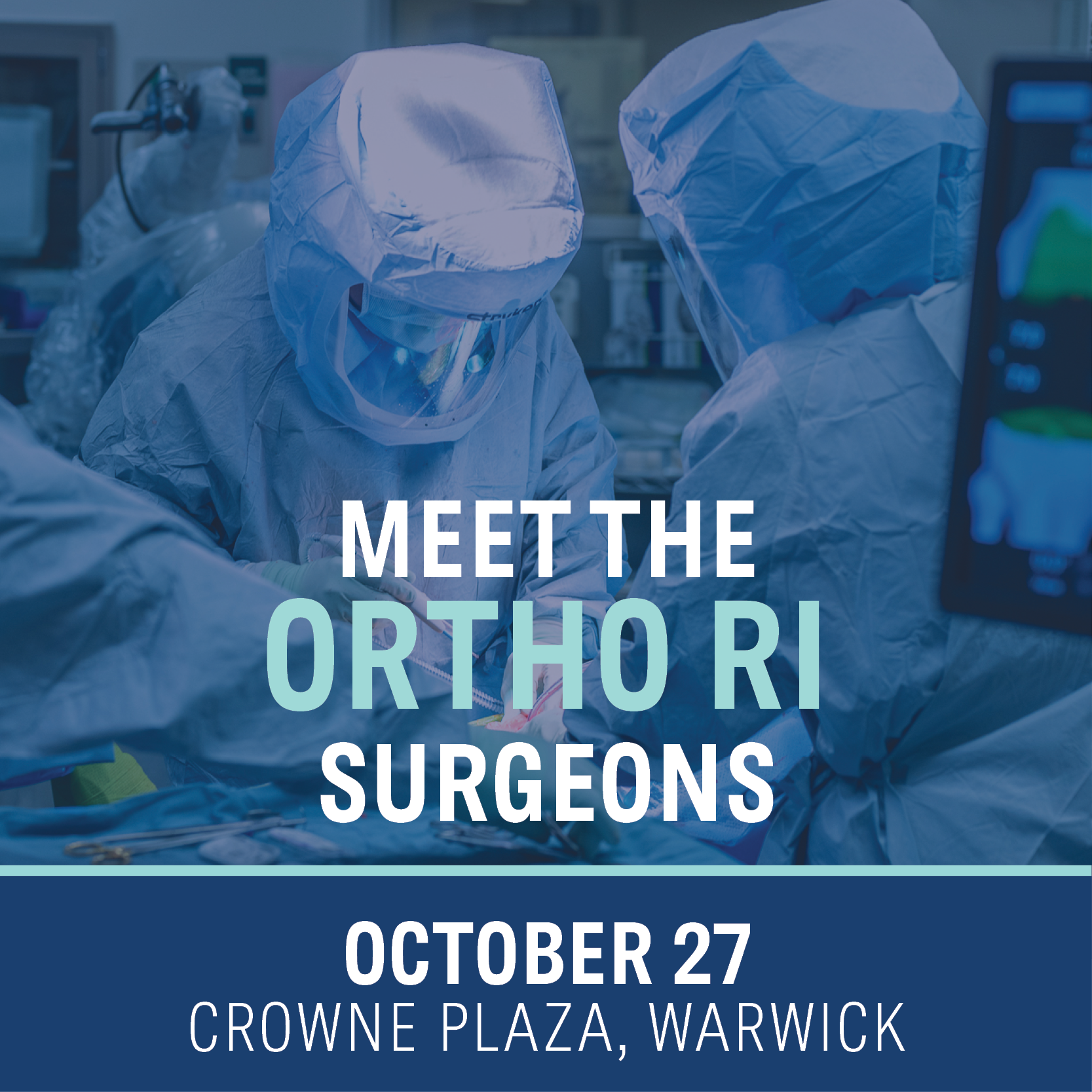
Meet the Ortho Rhode Island Surgeons
Join us October 27 at the Crowne Plaza in Warwick to learn more about joint and spine surgery from the experts at Ortho Rhode Island.

People who have high blood pressure, are overweight, or have a family history of diabetes are at a greater risk of developing gestational diabetes.
Those who experienced gestational diabetes during one pregnancy are also more likely to develop it in subsequent pregnancies.
A balanced diet high in fruits, vegetables, and whole grains, lean proteins, and healthy fats, with limited refined carbohydrates and sweets is crucial to controlling gestational diabetes. Medication and daily insulin injections may also be suggested by your doctor as another management tool.
Gestational diabetes typically resolves after giving birth if it is properly controlled during the pregnancy.
Women who experienced gestational diabetes are often advised to exclusively breastfeed their newborn. This allows for better control of the mother’s weight and future diabetes risk.
For more information about gestational diabetes and testing for it during pregnancy, consult with your provider.
Tips for managing blood sugar levels

Take a moment to express your own appreciation by sharing your story, with a simple thank you, by nominating a caregiver, or with a gift of support.