If you are experiencing any pain, it’s important to let your physician or nurse know. Communication is key. They have the expertise to keep your pain under control.
During your hospital stay talk to your physician or nurse about:
How much pain to expect
How you have best dealt with pain in the past
Different kinds of medicine or treatments to relieve your pain
Receiving pain medicine at the onset of pain
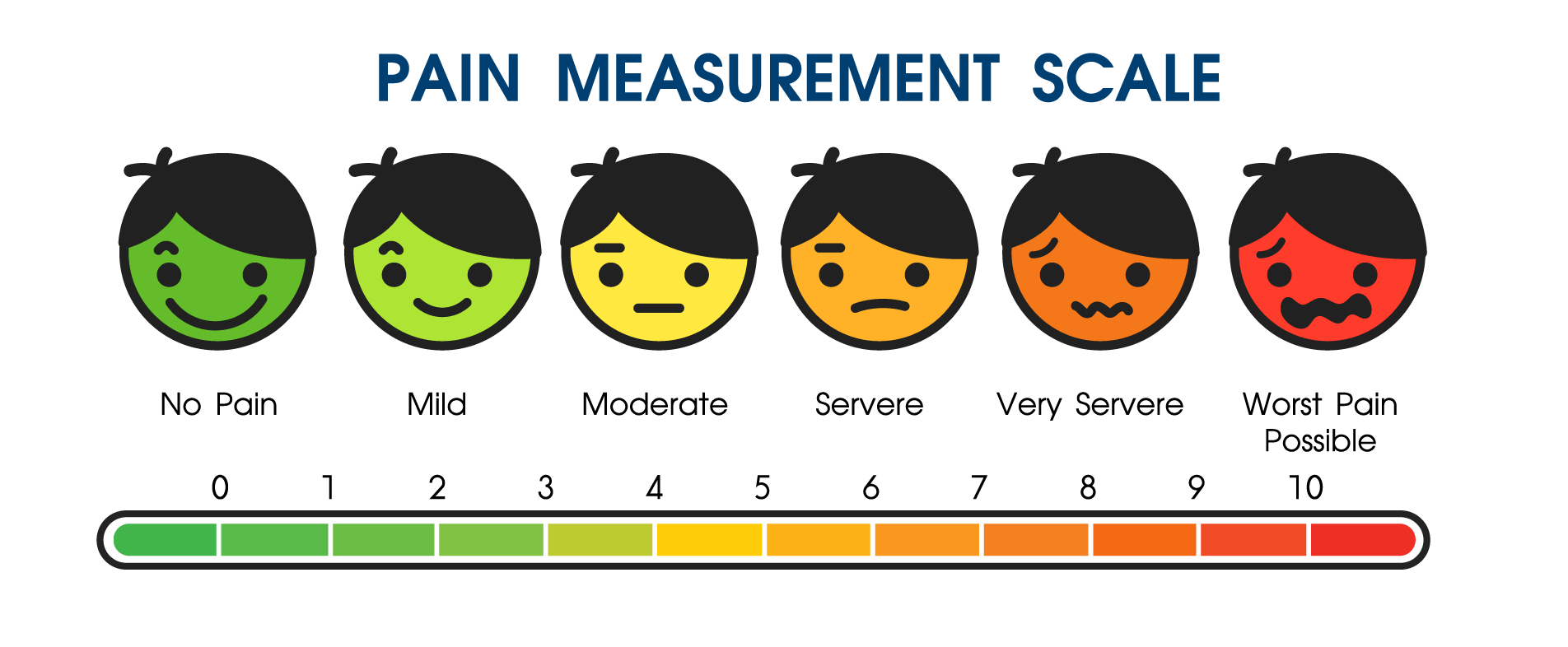
Your level of pain according to the pain scale
Any concerns you have about taking pain medications
Any side effects you may experience, such as nausea, vomiting, weakness, hard stools (constipation), drowsiness, unsteadiness or dizziness
Help reduce your pain
Deep Breathing. Take five deep, slow breaths that fill your chest all the way to your stomach.
Relaxation. Listen to a book on tape or music, or engage in meditation or prayer.
Distraction. Focus your attention on something else: television, radio, games or talking with others.
Exercise. If you have had surgery, focus on staying active and getting your body moving.
Your Pain Scale
While you are in the hospital, or later recovering at home, you may experience discomfort or pain. Your healthcare team wants to work with you to ease your pain and make you comfortable.
Meet the Ortho Rhode Island Surgeons
Join us October 27 at the Crowne Plaza in Warwick to learn more about joint and spine surgery from the experts at Ortho Rhode Island.