
According to the Centers for Disease Control and Prevention, a concussion is a type of traumatic brain injury—or TBI—caused by a bump, blow, or jolt to the head or by a hit to the body that causes the head and brain to move rapidly back and forth. This sudden movement can cause the brain to bounce around or twist in the skull, creating chemical changes in the brain and sometimes stretching and damaging brain cells.
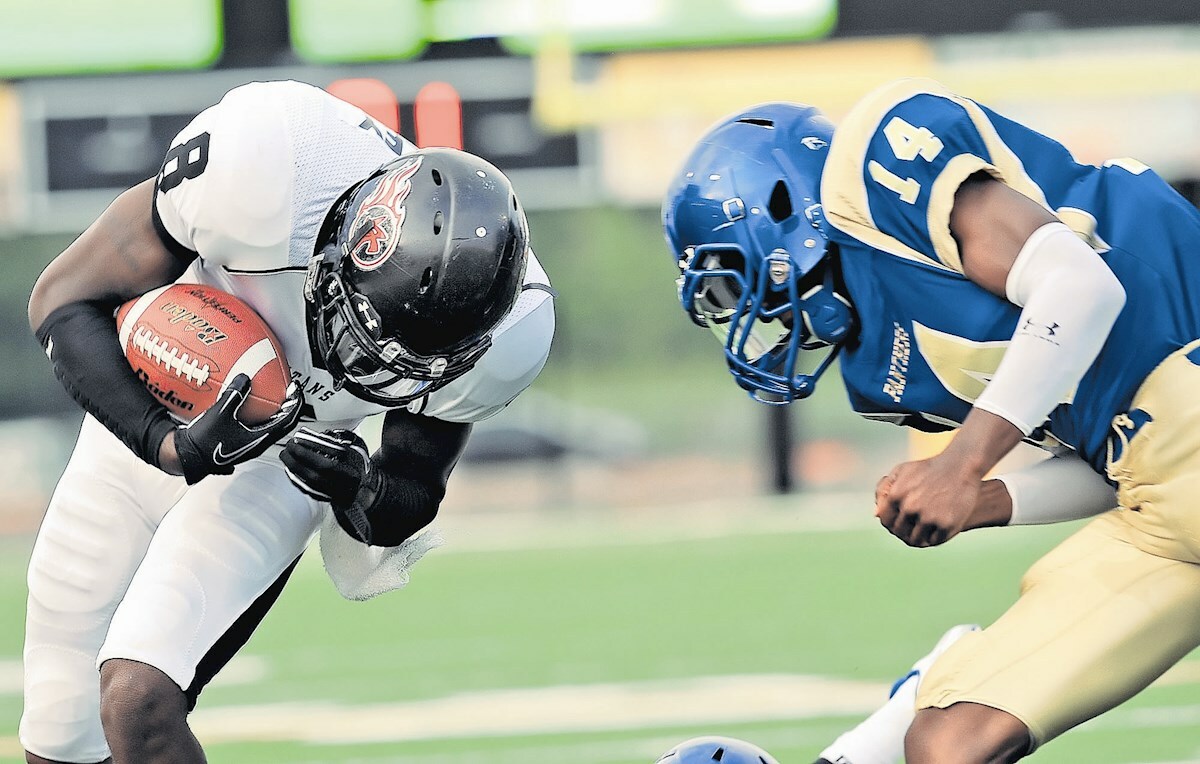
Among high school athletes, concussions are most often caused by contact with an opponent, a team mate, the ground, or a piece of equipment or object in the playing area. Football accounts for more than 60% of concussions – the leading cause of concussions in high school males, while soccer is the leader for high school females.
Common symptoms of concussions:
- Headache or a feeling of "pressure" in the head
- Nausea or vomiting
- Balance problems or dizziness
- Double or blurry vision
- Sensitivity to light or noise
- Feeling sluggish, groggy or dazed
- Difficulty paying attention
- Memory problems
- Confusion
- Numbness or tingling
- Sleeping problems
- Mood changes
- Changes in behavior
As a coach, recording the following information can help a healthcare provider in assessing a young athlete after an injury:
- Cause of the injury and force of the hit or blow to the head or body
- Any loss of consciousness (passed out/knocked out) and if so, for how long
- Any memory loss right after the injury
- Any seizures right after the injury
- Number of previous concussions (if any)
If you think an athlete may have a concussion, you should seek medical attention as soon as possible. The athlete should not return to playing with a known or suspected concussion until evaluated and given permission by a healthcare professional. Second concussions that occur before one has recovered from an initial concussion can be very serious.
Some serious signs to look for with respect to concussions include:
- One pupil larger than the other
- Drowsiness or inability to wake up
- A headache that gets worse and does not go away
- Slurred speech, weakness, numbness, or decreased coordination
- Repeated vomiting or nausea, convulsions or seizures (shaking or twitching)
- Unusual behavior, increased confusion, restlessness, or agitation
- Loss of consciousness (passed out/knocked out). Even a brief loss of consciousness should be taken seriously
If an athlete presents any of these more serious symptoms, you should call 9-1-1 or take them to the nearest emergency department immediately.
Learn more about Sports Medicine at South County Health by 401-789-1422.